
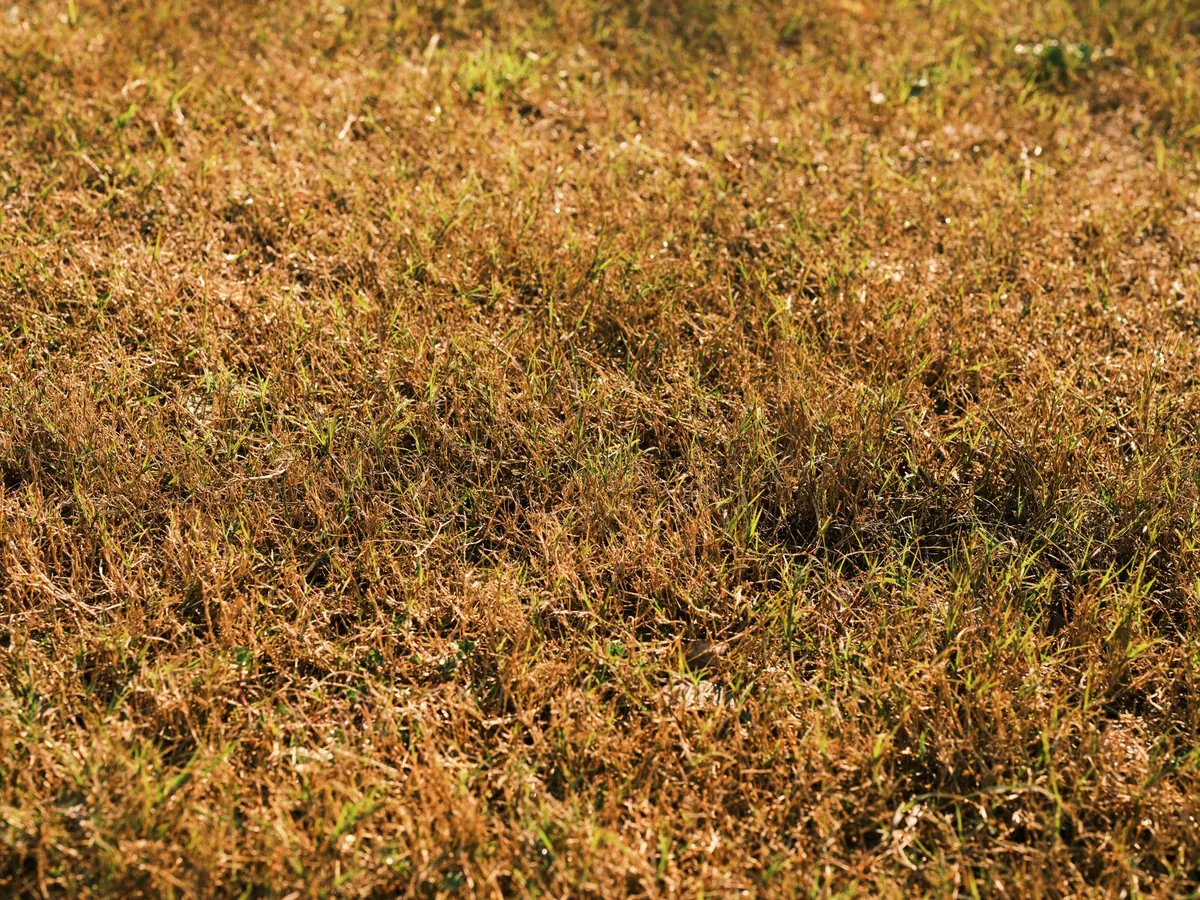
A lawn that has gone from green to a washed-out yellow almost overnight is one of the most common complaints in British gardens. The good news is that grass is remarkably forgiving, and yellowing is usually a symptom rather than a death sentence. The trick is working out which of a handful of causes is at play, because pouring on lawn feed when the real problem is drought, for example, will only make things worse. Here is how to read the clues your lawn is giving you.
Start With the Pattern of Yellowing
Before you reach for a product, look at how the yellow appears. The shape and spread of the problem tells you more than the colour itself.
- Whole lawn, evenly pale: usually feeding, drought or a long, dull spell of weather.
- Scattered individual blades turning yellow: often stress, mowing damage or a dull mower blade.
- Circular patches that spread outward: think disease or a localised problem such as a spill or pet urine.
- Yellowing under trees, along fences or beside a wall: shade, every time.
- Patches that lift, crumble or feel spongy underfoot: pests or thatch build-up.
Walk the lawn slowly with a notebook, or just take a few photos. Comparing the same spot a week later will show you whether it is spreading, stable or recovering.
Drought and Watering Problems
A thirsty lawn loses its colour from the tips downward and often takes on a dull, grey-green tone before going properly yellow. The grass stops springing back when you walk on it, and the soil beneath feels dry a few centimetres down. If you push a trowel in and it comes up dusty, you have your answer.
Water deeply and less often rather than little and often. A good soak once or twice a week in dry spells encourages roots to go down, which makes the lawn far more resilient. Early morning is the best time: the water soaks in before the sun evaporates it, and the surface dries during the day rather than sitting wet overnight. Established lawns need roughly 2.5cm of water a week, including rainfall, which is about twenty minutes with a sprinkler on most settings.
Watch for the opposite problem
Waterlogging also turns grass yellow, particularly on heavy clay. If the soil is soggy, smells sour and the yellowing is patchy but persistent, watering more will only worsen it. Aerating with a garden fork in autumn, and brushing a sandy top dressing into the holes, will improve drainage over time.
Shade and Competition
Grass needs light. Under a dense canopy or in a narrow north-facing strip, the blades thin out, lose colour and gradually give way to moss. This is not a disease and no feed will fix it.
Options that actually work:
- Raise the cutting height in shaded areas. Longer blades capture more of the light that reaches them.
- Thin out the lower branches of trees and shrubs to let more daylight through.
- Switch to a shade-tolerant mix, such as a fescue-based blend, when you next overseed in autumn.
- Stop watering shaded zones as much as the rest of the lawn. They dry out more slowly and overwatering causes more harm than good.
Be realistic about deep shade. If a corner gets less than a couple of hours of direct sun a day, a bark mulch bed with ferns or hellebores will look far better than a struggling lawn.
Pests: Leatherjackets and Chafer Grubs
If yellow patches feel spongy and lift away easily, or you notice birds, badgers and foxes tearing up the turf at night, you probably have leatherjackets or chafer grubs feeding on the roots. Lift a spadeful of turf in a yellow area and count what you find in the top few centimetres of soil. A handful of grubs in a spade's depth is worth treating; one or two is normal and the lawn will cope.
Biological nematode treatments are available and work best when the soil is warm and moist, usually late summer into early autumn. Apply them with a watering can or sprayer in the evening and keep the area damp for a fortnight. Healthy, well-fed lawns also recover from moderate grub damage far better than stressed ones. If the problem is severe and widespread, it is worth taking advice from a qualified lawn-care or horticultural professional rather than guessing.
Disease: Red Thread and Fusarium
Red thread
Easily identified by pinkish-red threads running through the grass, appearing as irregular yellow-brown patches. It thrives in humid conditions and on lawns that are low in nitrogen, and it rarely kills the grass. A balanced feed in spring usually clears it up, along with a light rake to remove the affected material.
Fusarium patch
Look for small, greasy-looking circles that expand and turn pale brown, often in autumn or mild, damp winters. It is more serious than red thread. Raking off dew in the morning, avoiding late-day watering, improving airflow by trimming back overhanging shrubs and keeping the lawn well aerated all reduce its grip. Remove clippings when you mow and never work on the lawn when it is wet.
Feeding and Soil Health
Nitrogen drives that deep green colour, and a lawn that has not been fed for a year or more will gradually pale. A spring feed with a balanced lawn fertiliser is the standard remedy, followed by a lighter summer feed and an autumn feed higher in potassium to harden the grass before winter.
Feed when the soil is moist and rain is forecast, and always follow the rate on the packet. More is not better. Overfeeding scorches roots and leaves brown, burnt patches that then turn yellow. If you mow regularly and leave the clippings on the lawn, you return some nutrients naturally and can feed less often.
Two other soil factors matter. Compacted ground restricts roots and shows as thin, yellow turf along well-worn paths and in the corners where you always walk: aerate in autumn. Very acidic soil locks up nutrients and encourages moss, so a soil test every few years is money well spent.
A Week-by-Week Plan
Rather than treating everything at once, take it one step at a time. Check the soil moisture first and adjust watering accordingly. Raise the mower blade to around four centimetres for the next few cuts and make sure the blade is sharp. Rake out dead material, then inspect a spadeful of soil for grubs. Feed once conditions are right, and overseed bare patches in early autumn when the soil is warm and reliably damp.
Most yellow lawns show visible improvement within two to three weeks once you have addressed the real cause. If the same patch keeps going yellow year after year, the problem is almost always in the soil rather than the grass, and that is where your attention should go.
Photo: Engin Akyurt / Pexels