
Autumn rarely feels like the main event in a garden. The roses are going over, the lawn is looking patchy, and there is more brown than green. Under the surface, though, roots are still growing, the soil is still warm, and the rain is doing most of the watering for you. Every job you do between September and December is a deposit on next spring. Leave it all until March and you will spend the first decent weekend of the year catching up instead of planting.
September: divide, sow and start gathering
September is the month for moving things while the soil is warm enough that roots settle in quickly. Lift and divide congested herbaceous perennials — hardy geraniums, hostas, daylilies, rudbeckia — replanting the healthiest outer pieces and composting the tired middle. Water them in, and keep an eye on them if the month turns dry.
Early autumn is also the best window for lawn repairs. Overseed bare patches, top-dress with a sandy loam, and keep the seed damp for a fortnight. Sow hardy annuals such as cornflowers and nigella if you want earlier flowers next year, and get daffodils, crocus, muscari and alliums into the ground from mid-September. Tulips are the exception; leave those until November.
Start a leaf bin now, too. A simple wire frame, or a few black bags with holes punched in them, will turn this autumn's raking into leaf mould in a year or two.
October: leaves, mulch and the final cut
By October the leaves come down faster than you can rake them. Clear them from the lawn in dry spells — a thick layer blocks light and can encourage disease over winter — and pile them somewhere out of the way. Running a mower over them collects them and chops them into a much faster-rotting mix. A thin scattering left under shrubs is fine; it is the deep drifts that cause trouble.
Once the beds are cleared, mulch. Well-rotted manure, garden compost or leaf mould spread 5–8cm deep over the surface, kept a few centimetres clear of stems and crowns, will feed the soil and protect roots. Worms do the digging in for you. Do not heap mulch against the base of shrubs and trees; that is an invitation to rot.
Do not dig or walk on soil that sticks to your boots. Wet clay compacts, and it takes years to undo.
Give the lawn its final cut on a higher setting than usual, and only when the grass is dry. Aerate compacted areas with a garden fork, pushing it in 10–15cm and rocking it gently. Then move tender plants under cover, clean greenhouse glass so you make the most of low winter light, drain hoses, and lag outside taps before the first frost.
November: bulbs, bare roots and structure
Tulips go in from November into December, planted about three times their own depth — roughly 15–20cm — with a handful of grit in the base of each hole if your soil is heavy. Plant them where you will actually see them from a window.
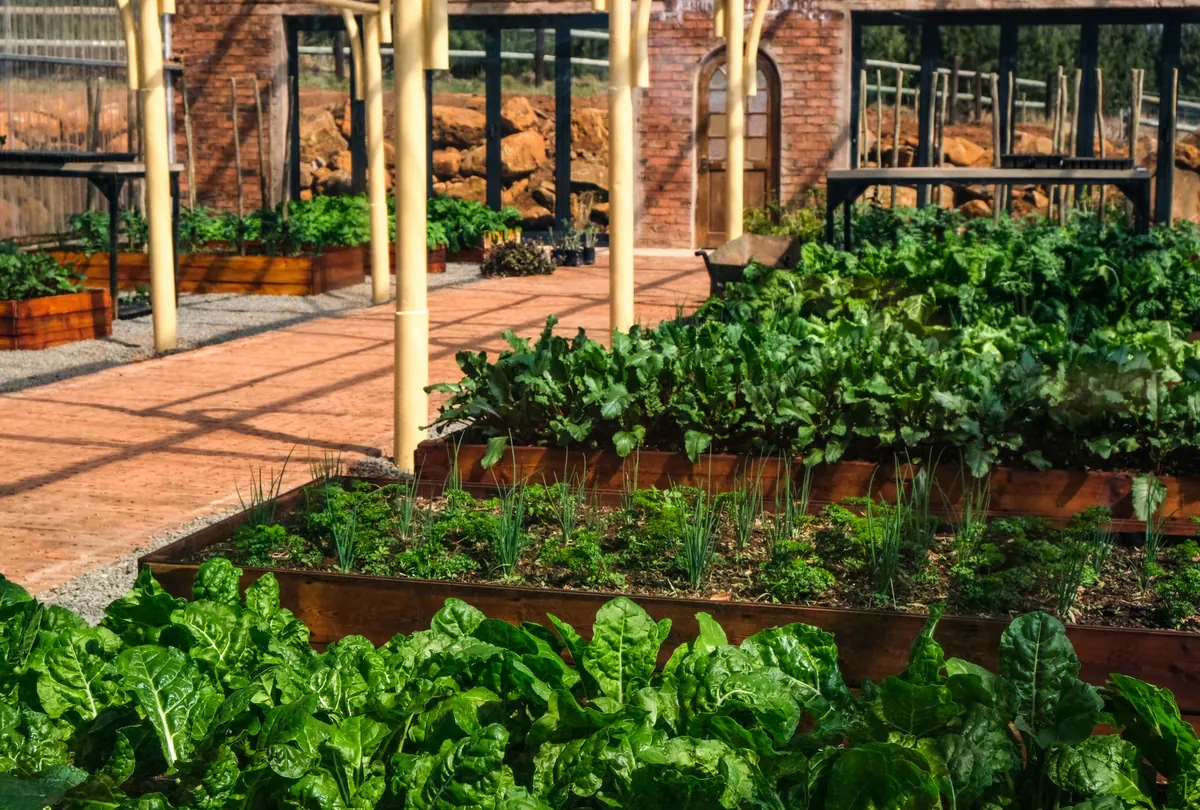
Bare-root season is open. Hedging, roses and fruit trees arrive dormant and establish well when planted between now and March, as long as the ground is not frozen or waterlogged. If plants arrive and you cannot get them in straight away, heel them into a spare patch of soil or a pot of compost rather than leaving roots exposed.
Garlic cloves, set pointed end up about 2.5cm deep and 15cm apart, crop better from an autumn start than a spring one. Rhubarb crowns and bare-root perennials can go in now as well.
Resist the urge to cut everything down. Seedheads — teasel, echinacea, sedum — feed birds and hold structure through the winter. Allow a blackening frost to do its work before lifting dahlias, then dry the tubers upside down for a few days and store them in barely damp compost somewhere frost-free.
Tool care: half an hour now, easier work all season
Dull, dirty tools make every job harder and can spread disease from plant to plant. Before everything goes into the shed for winter, give it a proper once-over:
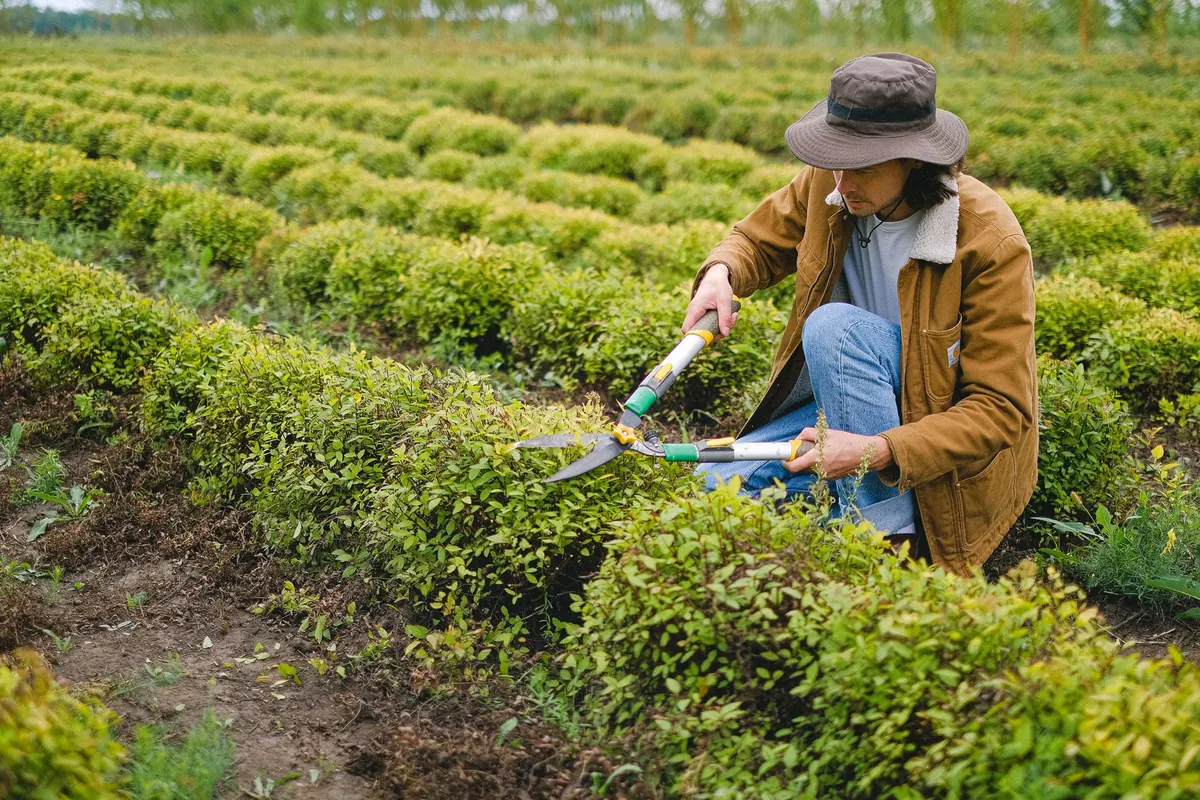
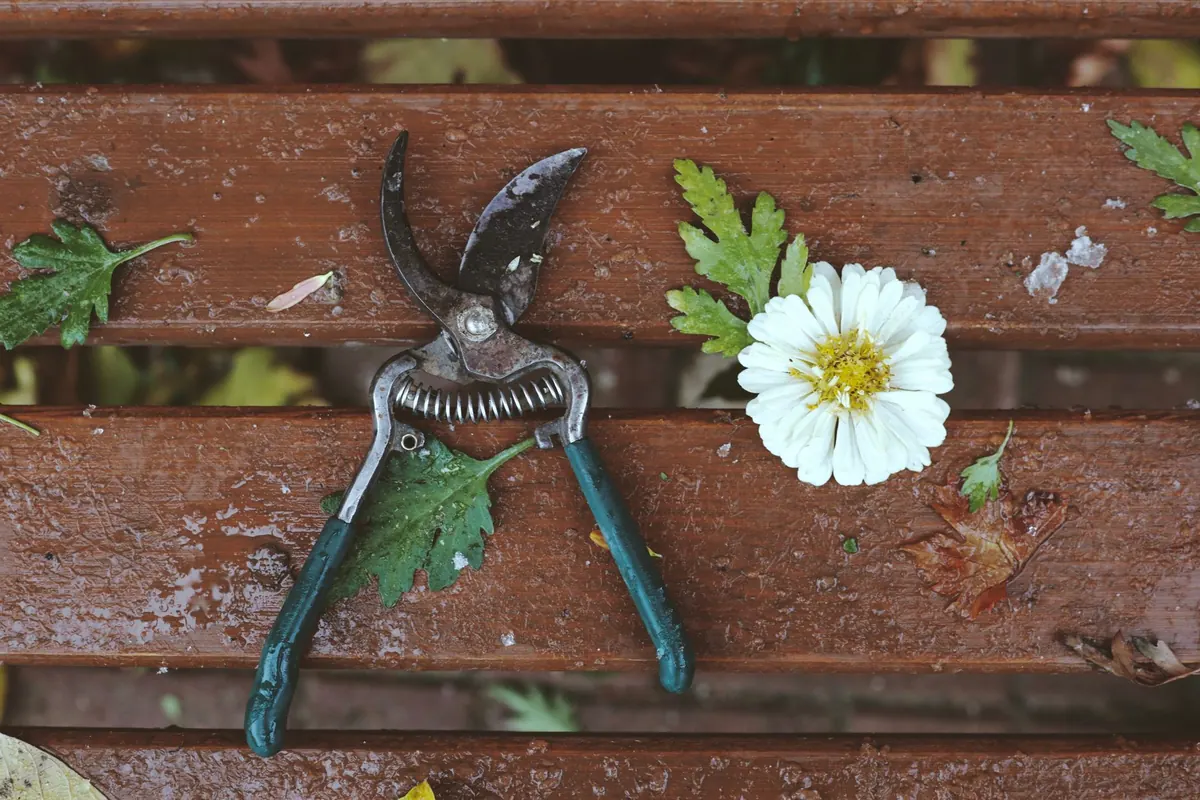
- Secateurs and shears: wash off sap and soil, dry thoroughly, sharpen the blade with a small diamond file following the original bevel, then wipe the metalwork with oil.
- Spades and forks: plunge them in and out of a bucket of sharp sand mixed with oil. It cleans and protects in one go.
- Hoses: empty, coil loosely and store indoors or in a shed. Water left inside splits them when it freezes.
- Pots and trays: scrub with hot soapy water, rinse, dry and stack. Terracotta left full of rainwater will crack.
- Mowers and power tools: clean the deck and cutting heads, and follow the handbook for winter storage rather than guessing.
While you are out there, check stakes and tree ties. Winter gales find every weak point, and a tie that has grown too tight will cut into bark.
Where to start if you only have an afternoon
If the season is running away from you, work in this order:
- Clear leaves from the lawn and paths.
- Mulch whatever beds you can reach with what you already have.
- Plant the bulbs sitting in the shed. A bulb left in a paper bag until spring is a bulb wasted.
- Clean and oil your tools, and drain the hoses.
None of it needs to be perfect. A garden that goes into winter with clear light, fed soil and protected roots comes back stronger than one that was tidy but starved. And if a job involves something structural or expensive — a leaning tree, poor drainage, a wall that needs attention — it is worth a short conversation with a qualified gardener or arborist before you commit a weekend to it yourself.
Photo: Zeynep Gül Ceylan / Pexels